From fall to summer
Choose 2L, add experience, and confirm availability. Carry those inputs into matches and a shared demo introduction.
Try the connected journey ↗
California’s next generation of advocates.
The ambition is statewide.
The first step is personal.
Help law students and recent graduates understand their options, find relevant legal-aid employers, and take the next step. Give LAAC the tools to keep that guidance current.

Start with a student, follow a confirmed introduction to the employer, and see how LAAC keeps the guidance current.
Choose 2L, add experience, and confirm availability. Carry those inputs into matches and a shared demo introduction.
Try the connected journey ↗Reuse an organization profile. Review travel, supervision, compensation, and role-specific requirements.
Explore rural employer tools ↗Approve a fictional revision, inspect its public preview, and restore a previous draft.
Try staff publishing ↗No account needed. All recruitment and publishing actions remain local demonstrations.
The pipeline starts early: fall interviews in a student’s second year can shape the summer work that leads to a career. Bring preparation, eligibility and employer needs together while those decisions are being made.

Explain fellowships, summer work and routes before bar admission. Put eligibility, preparation and deadlines beside a clear next step.
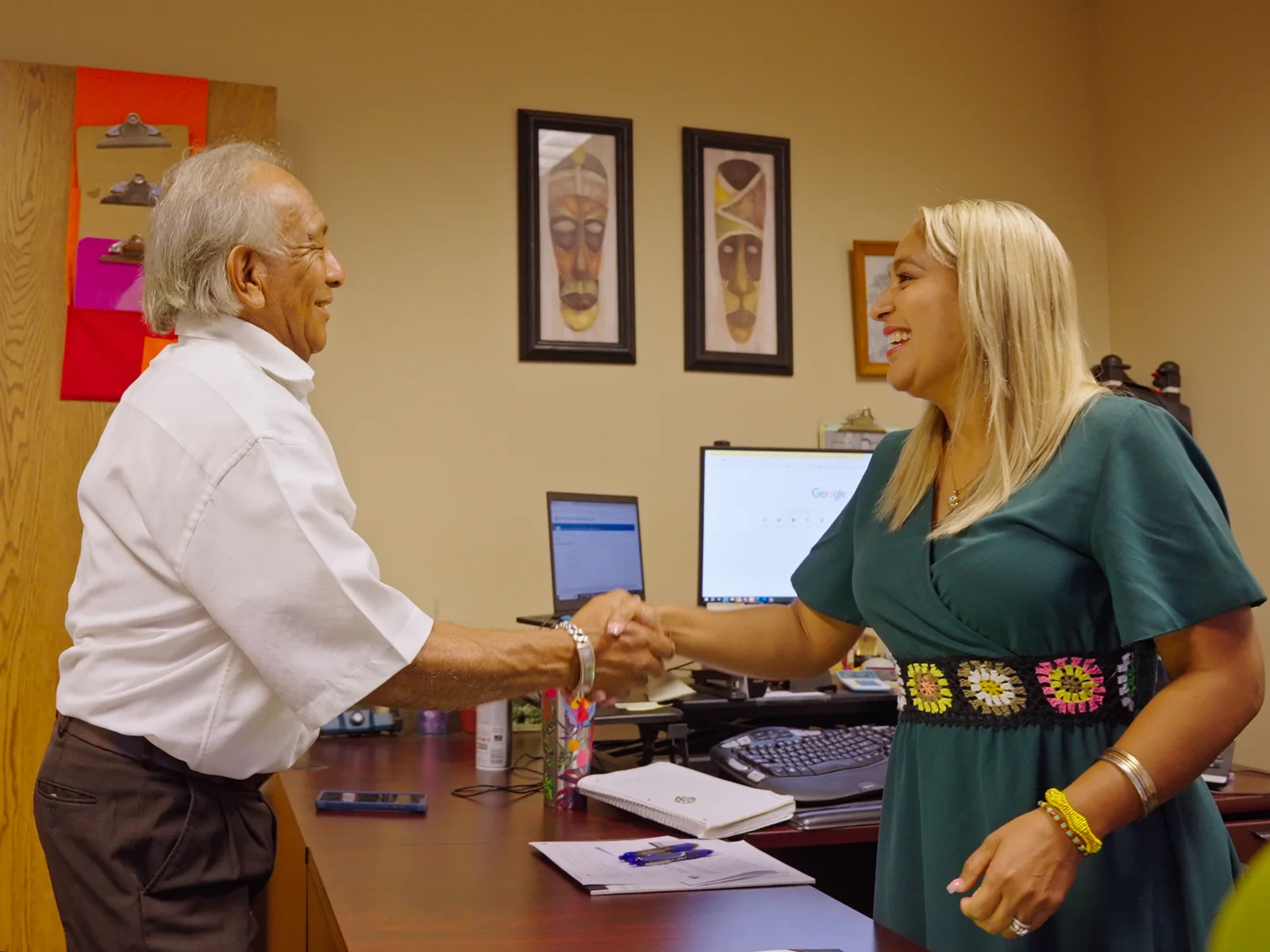
Help rural organizations show the work, supervision and community behind an opening, so students can consider opportunities beyond the employers they already know.
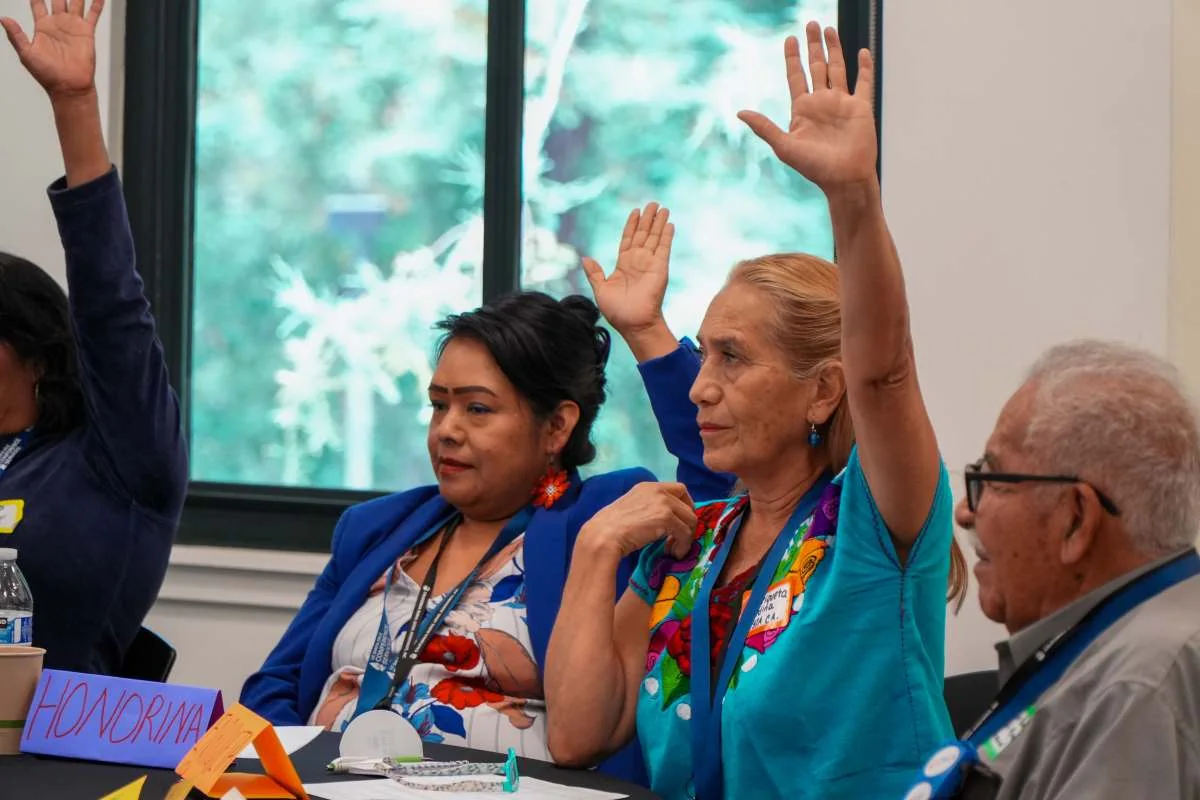
Give LAAC a repeatable way to review sources, update deadlines and oversee matching, backed by staff training and twelve months of support.
Fellowship rules, summer timing, pre-bar opportunities, and employer expectations live across disconnected sources.
And a practical partner for career-services staff. A dedicated toolkit connects student conversations to pathways, deadlines, and source-backed resources.
Explore the toolkitThe working examples use synthetic records. Production identity, data, matching, and permissions are part of the contracted implementation.
Each response connects an RFP requirement to a proposed workflow and a clear acceptance check. The linked prototype shows the approach; implementation includes the production services and validation.
Compare fellowship types, candidate and host responsibilities, preparation steps, and official sources. Treat dates and eligibility as reviewed content with named owners.
How we will demonstrate itA student can identify a route, find the source, and describe the next step.
Separate fellowships, bridge opportunities, direct employment, and other pathways. Show verified bar-status and supervision requirements on organization and opportunity records.
How we will demonstrate itUsers can distinguish a relevant pathway from a role for which they are not yet eligible.
Build a login-gated, AI-supported matching tool around students’ experience, skills and interests and employers’ stated needs. Integrate a LAAC-approved service, role permissions, understandable match reasons and editable preferences. Keep eligibility separate from ranking.
How we will demonstrate itLAAC reviews representative matches and exceptions. Document role-access tests, including attempts to view or change another user’s private records.
Reduce the effort of finding emerging talent, especially in rural California.
Employer experienceGive hosts structured profiles and opportunities, supervision fields, rural-service visibility, recruiting guidance, and a reviewable publishing workflow.
How we will demonstrate itA host can describe its needs, publish an approved opportunity, and understand suggested connections.
Bring pathway comparisons, planning questions, source-backed resources, and deadlines into one advisor toolkit. Pilot it with LAAC-selected career-services staff.
How we will demonstrate itAn advisor can find relevant guidance and give a student a concrete action plan.
Deliver integration, migration, testing, training, and twelve months of support.
Complete delivery responseMove approved content into structured records, validate workflows with volunteers, train staff, transfer documentation and source, and maintain the platform with defined response targets.
How we will demonstrate itDocumented user acceptance testing, staff task completion, an accepted handoff and milestone records for grant reporting.
Target WCAG 2.2 AA. Test real tasks with keyboard and assistive technology, document findings, and resolve launch-blocking barriers.
Role-based access, consent, data minimization, breach escalation, and documented return or destruction of confidential information.
Ari leads delivery from kickoff through handoff. Each milestone has work to review, a decision for LAAC and a documented acceptance record. Progress reports arrive at least every other week.
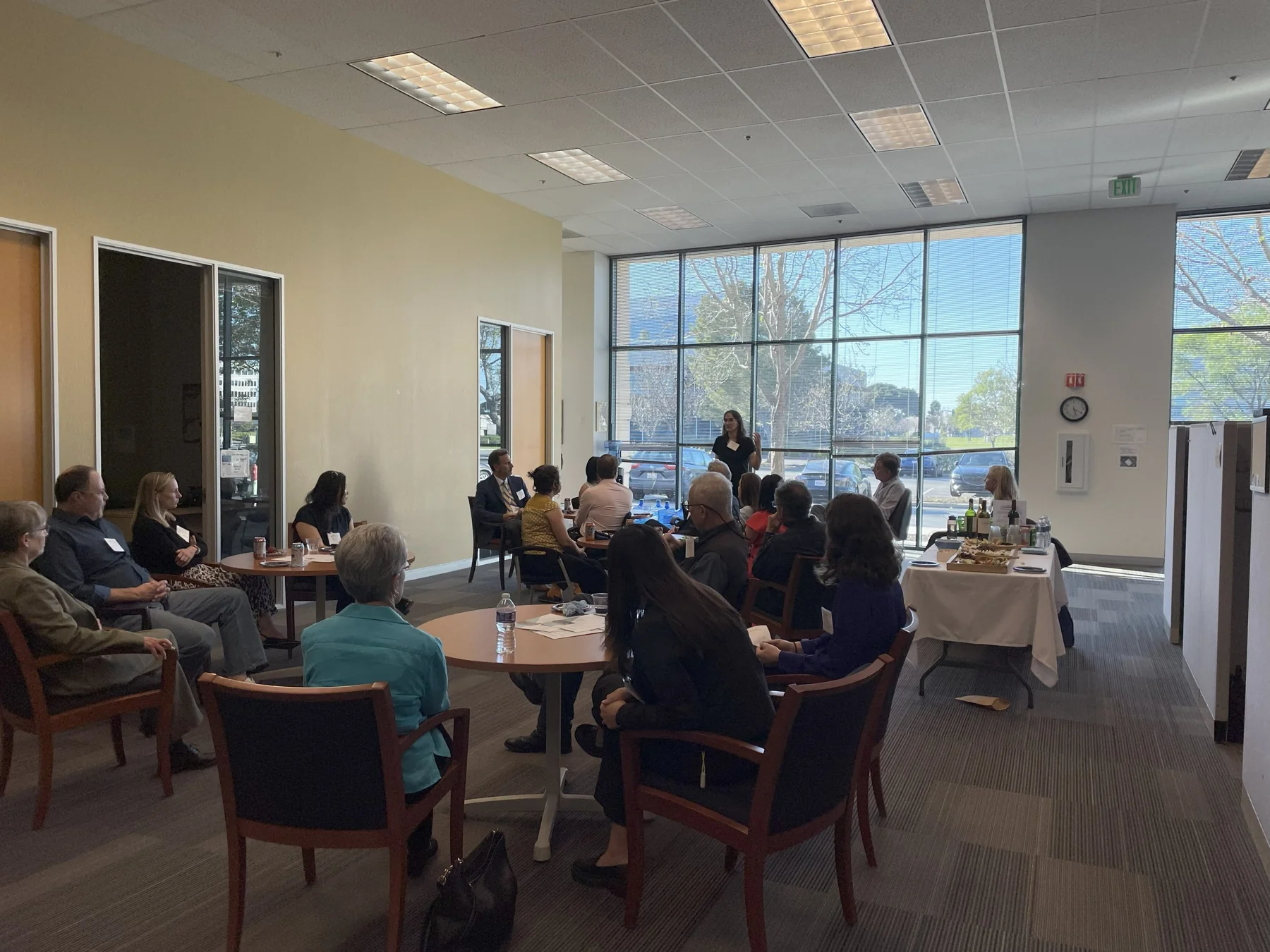
LAAC-selected volunteers test real tasks: finding a pathway, understanding a match and updating content. Include rural providers and record the changes made in response to feedback.
Kickoff, LAAC focus-group findings, content inventory, migration plan, security model, acceptance criteria, and an agreed scope.
LAAC approves requirements and rollout plan.
Present the responsive design and working functions. Review the student, employer, career-services, and administrator journeys with LAAC staff.
LAAC reviews the draft website.
Pilot with LAAC-selected volunteers, including rural organizations. Document task success, accessibility, cross-browser behavior, and feedback resolution.
Documented user acceptance testing (UAT) and launch-readiness approval.
Validate migration and configuration, train staff, deliver recordings and reference guides, and hand over source, documentation, and a closeout report.
LAAC accepts deliverables and ownership transfer.
Maintain functionality, fix bugs, apply security patches, monitor SEO and AI-search performance, and meet quarterly to review priorities.
Support records, quarterly review notes and grant-reporting evidence.
RFP section 8 milestones. Final scheduling is agreed with LAAC after selection, including content access and consolidated feedback. Progress reports are provided at least every other week.
Bug fixes, security patches, functionality and search monitoring, and quarterly reviews. Virtual training, recordings, quick references, and an operating runbook are included.
Monday–Friday, 9 AM–5 PM Pacific
Excluding federal holidays. Response and restoration targets apply within these service hours.
| Priority | Response | Restoration target |
|---|---|---|
| Critical | 1 business hour | 4 business hours |
| High | 4 business hours | 1 business day |
| Standard | 1 business day | 3 business days |
| Request | 2 business days | By agreement |
Restoration may be a workaround. Complex resolutions receive a documented plan and updates. Suspected breaches are promptly escalated to LAAC under the incident plan.
Student clarityCan a student identify a relevant pathway and explain the next step?
Recruiting usefulnessCan a host publish its needs and understand the proposed connections?
Staff independenceCan LAAC update, verify, report, and resolve routine content issues?
Agree task-success criteria with LAAC before the pilot. Record results, resolve barriers and document acceptance; placement outcomes require longer-term measurement.One itemized first-year maximum covers implementation, training, twelve months of support and the third-party service allowance. Included quantities and renewal costs are stated below.
$23,000 implementation and handoff
$5,500 twelve-month support
$1,500 third-party service allowance
| Component | Price |
|---|---|
| Discovery & implementation planning | $2,500 |
| Design & frontend implementation | $8,500 |
| Backend & matching integration | $6,500 |
| Content migration & configuration | $1,800 |
| Pilot, UAT & launch | $2,200 |
| Training & handoff | $1,500 |
| Twelve months of support | $5,500 |
| Third-party service allowance | $1,500 |
| Total maximum | $30,000 |
Content and migration. Up to 40 content pages, 100 organizations, 150 opportunities, and 150 resources. Two consolidated design-review rounds. Required functions and correction of our defects remain included.
Integrations and services. One identity provider, one transactional email service, and one matching service. The $1,500 allowance covers documented third-party costs such as hosting, identity, matching, email, and monitoring. Service choices and usage limits are itemized with LAAC before activation.
Beyond the first year. Optional support renewal is $5,500 annually. Third-party renewals are separately itemized. Additional scope is $150/hour only after written authorization; no automatic service overages are assumed.
Itemized invoices tie to completed milestones and accepted deliverables. Payment is due within 30 days of receipt of an approved invoice.
Project-specific work transfers upon payment. Source, documentation, exports, and training make ownership practical.
No exceptions are proposed to the RFP contract terms. Applicable insurance will be obtained, with certificates supplied when requested.
Need clarity on what is included?
Ask about scope or investment The Design
Independent. Family-led.
Dallas, Texas. Working nationally.
Work directly with the people designing and building the platform. Our nonprofit experience connects clear public-facing websites with the publishing tools, guidance and ongoing support staff need to maintain them.
Confirmed nonprofit experience: Dallas-Fort Worth Urban League, St. Luke Community UMC, Code Enforcement Association of Texas, Project Unity, Abounding Prosperity, and A Chance To Learn.
Ari is your principal contact for scope, design and delivery. Sederrick supports creative direction and review. Any specialist involvement is disclosed and approved as required.
Principal contact for discovery, experience design, implementation, accessibility coordination, testing, and handoff. Works across the public website and staff workflows so the experience and day-to-day operation are designed together.
Brand direction, visual communication, creative review, and consistency across the public experience and supporting materials.
These nonprofit and membership projects demonstrate relevant work in public communication, program discovery and staff publishing. Each example identifies the connection to LAAC’s needs.
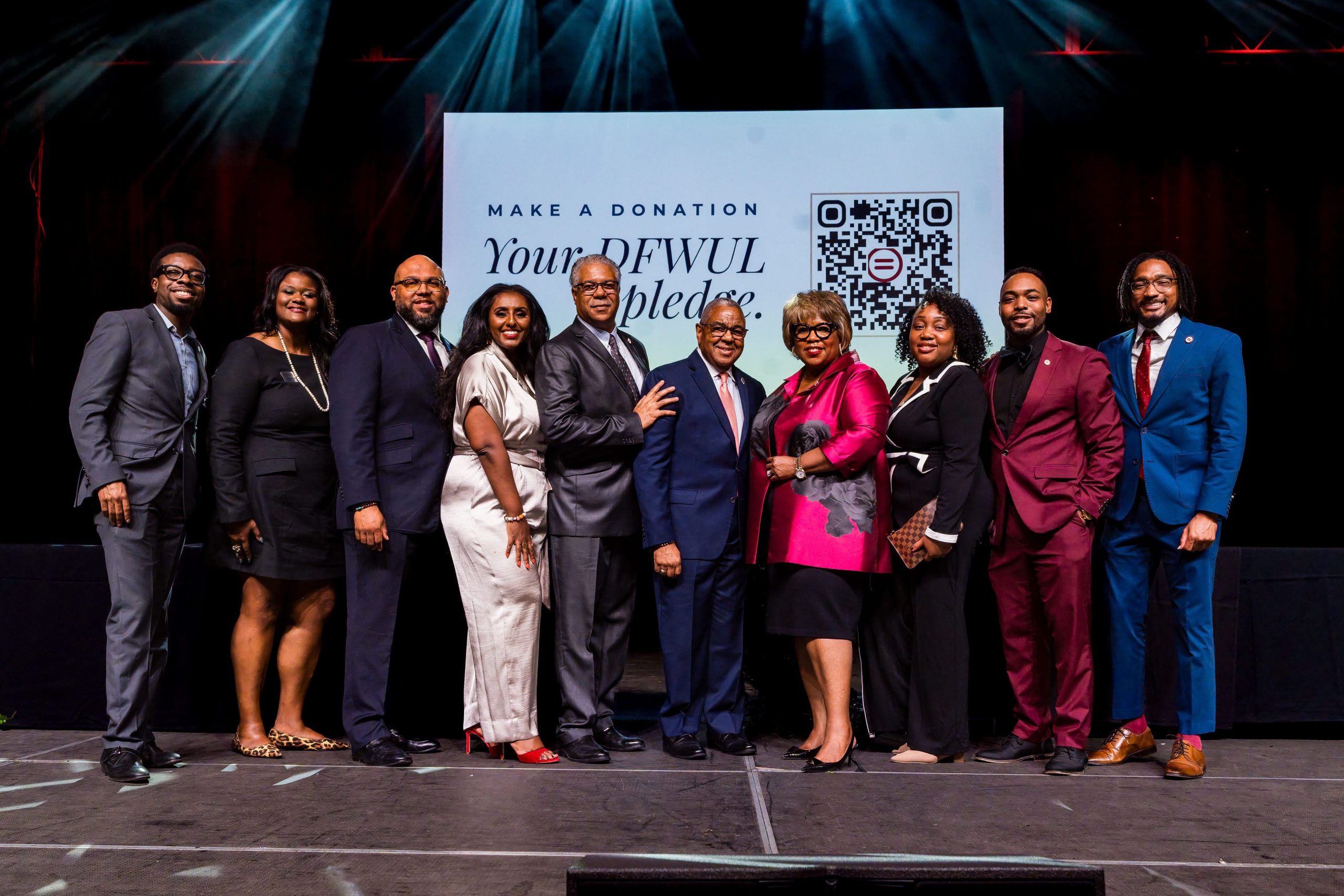
The need: make programs easier to find and keep public information current. Our work: public website experiences and staff publishing tools delivered in 2026, with ongoing support.
Relevant to LAACConnect public program information to the staff workflows that keep it accurate and actionable.
Explore the delivered websiteEvidence: linked live site and the named client reference below. No recruitment outcomes are claimed.

The need: help members find training, resources, and job information. Our work: a website launched April 2026, supporting training discovery and registration, followed by content updates.
Relevant to LAACApply the same structured publishing approach to LAAC’s fellowship guidance, deadlines and employer resources.
Explore the delivered websiteEvidence: linked live site and the named client reference below. No recruitment outcomes are claimed.
The need: keep community and event information coordinated. Our work: the community website, event and calendar communication, and staff guidance connecting the calendar workflow with Planning Center.
Relevant to LAAC: Keeping public information useful depends on how it is maintained.
Explore the delivered websiteRobbie DouglasDallas-Fort Worth Urban League
Sharon FlanaganCode Enforcement Association of Texas
Ronnie HughesSt. Luke Community UMC
Follow the connected student and employer journey, then inspect staff publishing and the proposed acceptance evidence. All recruitment records are fictional.
See how a rural-service preference changes a recommendation.
This example uses the same student profile and matching logic as the workspace. Required criteria are checked first; preference overlap orders the remaining examples.
Current sample: 2L student · Housing, Rural justice
Needs eligibility confirmation
Interest: Housing · Interest: Rural justice · Preference: rural serviceInspect requirements and reasons →Needs eligibility confirmation
No preference overlap declaredInspect requirements and reasons →Career stage and summer availability are example requirements. Explicitly unmet requirements exclude a role; unknown requirements are shown separately. Within each group, count declared interest, skill, experience, location, rural, and language overlaps equally, with stable ID ordering for ties. These are explanatory signals, not probabilities or measured hiring suitability.
No AI service is running in this demonstration. Production matching would use an LAAC-approved, narrow service behind authenticated access.
Try a source review, deadline edit and approved publication.
Edit a fictional fellowship, check the sample source, and approve a revision. Changes persist in this browser and never alter official program information.
Fictional bulletin: Community Justice Fellowship. No real program or deadline is represented.
Production records retain the official source, reviewer, verification date, and change history.
Choose 2L, declare skills and experience, and confirm availability. Notice that the same inputs follow the student into matches and an employer introduction. RFP §4: summer matching.
Connected student journeyReuse profile details in a new role. Notice which fields carry forward and which practical terms still need review. RFP §3–4: employer effort and rural access.
Rural employer demonstrationInspect supervision, bar-study arrangements, and unconfirmed terms. Notice the difference between unknown information and unavailable support. RFP §4: graduate pathways.
Pre-bar planningApprove a fictional revision and open its public preview. Restore an earlier revision as a draft without bypassing approval. RFP §4: updates and training.
Staff publishingInspect proposed tasks, criteria, evidence, reviewer roles, and LAAC signoff. RFP §4: pilot testing and documented acceptance.
Proposed pilot scenariosReview the sample report alongside the milestone evidence packet. RFP §2 and §11: deliverable confirmations and itemized invoices.
Reporting and evidenceExplore without an account. All workspace records and exported metrics are synthetic. Saved examples remain in your browser. No real application, hiring decision, or support request is submitted.
The public experience and role demonstrations are available to explore now using synthetic records. Production authentication, permissions, live employer data, the approved matching service, and operational integrations will be configured and tested with LAAC during implementation. The prototype does not accept real applications or make hiring decisions.
We will agree representative student profiles and employer needs with LAAC, inspect the reasons behind recommendations, test missing or conflicting information, and compare results with reviewers’ judgment. The pilot will include rural providers. Students can change their inputs, and people remain responsible for application and hiring decisions.
Both. Our delivery target is WCAG 2.2 AA, supported by semantic structure, keyboard access, visible focus, clear forms, and reduced-motion behavior. Before launch, we will combine automated checks with keyboard, screen-reader, browser, and device testing, then document remediation and acceptance. This is a proposed delivery standard, not a claim of certified compliance.
Project-specific deliverables, configurations, documentation, and content become LAAC’s property upon payment, consistent with the RFP. Handoff includes source, content and data exports, an operating runbook, and virtual training recordings. Third-party software retains its own licenses. The system will be documented for ongoing maintenance and a practical future transition.
The first-year maximum is $30,000, including implementation, training, twelve months of support, and a $1,500 third-party service allowance. Included migration quantities and integrations are stated below the pricing schedule. Additional scope requires written authorization at $150 per hour. Optional support renewal is $5,500 annually; future third-party service costs are separately itemized before renewal.
At least every other week, progress reports will show completed work, decisions, risks, and next steps. Each invoice will be itemized against a completed milestone and its deliverable confirmation. Pilot results, UAT signoff, training records, quarterly support reviews, and the final closeout report create a traceable record for LAAC’s reporting.
We’d welcome the opportunity to build this with LAAC: clear pathways for emerging advocates, useful recruiting tools and a platform your staff can manage. Let’s discuss your priorities and next steps.
To: ari@thedesignfactory.com
Subject: LAAC + The Design Factory | Next steps
Hi Ari,

Thank you for sharing your proposal. We’re interested in discussing working with The Design Factory on LAAC’s New Attorney Pipeline Project.

Could we connect about our priorities and next steps?

Looking forward to hearing from you,